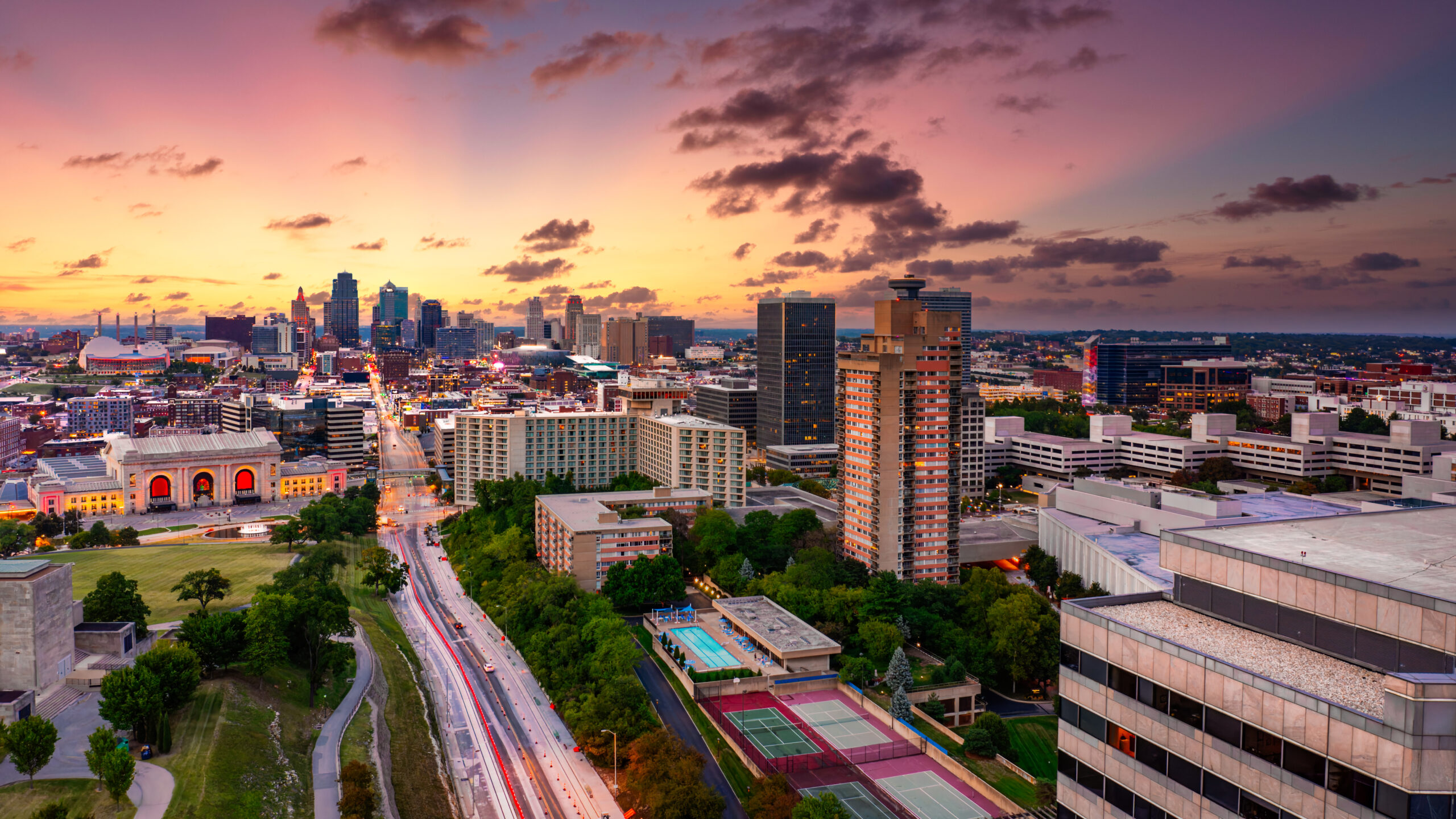
Growing up in New York City and now living in Tarrant County as a student at TCU, I have always been fascinated by cities. They feel like living organisms with their own personalities. Some cities feel bold and intense, others feel relaxed and spread out, and each one reflects the choices people have made over decades. Lately I have been spending more time thinking about how American cities are changing. Between population shifts, new technology, and changing lifestyles, the future of urban life looks very different from the past.
I am not an urban planner or a policy expert, but I pay attention to how cities grow and adapt. When you are raised in a major city like New York and then spend time in Washington and London, you start to understand how much a city shapes your experience and your opportunities. Now that I live in the Fort Worth area, I see a very different model of city development. The contrast has pushed me to think more deeply about what makes cities work and what the next generation of American cities might look like.
The Changing Shape of American Cities
One of the biggest changes happening across the country is the shift away from traditional downtown centers. Older cities like New York, Boston, and Chicago were built around a single core. Jobs, transportation, and culture all centered around one place. Many newer cities, especially in the Sun Belt, are built around a more spread out model. Fort Worth and Dallas, for example, operate like a collection of connected hubs rather than one central downtown.
This shift has major effects on how people live. In spread out cities, people rely more on cars and highways. In older cities, people walk, bike, or take public transit. Neither style is perfect. Dense cities deal with overcrowding and high housing costs, while spread out cities deal with traffic and long commutes. The interesting question is where the balance should be. As someone who grew up taking the subway and now spends a lot of time driving across Tarrant County, I experience both sides of the debate.
Housing and the Affordability Challenge
Housing is one of the biggest pressure points in American cities today. Cities that are growing quickly struggle to build enough homes. This pushes pricing up and makes it harder for young people to start out. I see this problem clearly every time I look at housing trends in Texas. Everyone is moving here, but building homes fast enough to keep up is a real challenge.
Older cities face a different challenge. Space is limited, zoning laws are restrictive, and construction often moves slowly. As a result, many families are forced to move farther away from job centers. This spreads the city out even more and adds strain to infrastructure. It becomes a cycle that is hard to break.
If cities want to thrive, they need to focus on housing solutions that fit their geography and their culture. That might mean more mixed use developments, more flexible zoning, or partnerships with private developers. Cities need people to stay vibrant, and people need places they can afford to live.
Transportation and the Future of Mobility
Transportation is another major area where cities are evolving. When you grow up in New York, you learn that public transit is the lifeline of the city. In Texas, the car is king. Both systems have strengths and weaknesses, but the next generation of cities will need a mix. More people want reliable transit options that do not force them to sit in traffic every day.
Cities are also preparing for changes driven by technology. Autonomous vehicles, electric cars, and ride share systems are already shaping how planners think about roads and parking. A city that does not adapt its transportation network will fall behind quickly.
I think about this every time I sit on I 35 or see a packed crowd at a commuter rail station. The way we move through a city defines how we experience it. If movement becomes easier and more efficient, cities become more enjoyable and productive. If it becomes harder, they become places people try to avoid.
The Role of Technology in Urban Growth
Technology plays a huge role in modern city planning. Cities now use data to track traffic patterns, reduce energy use, and improve public safety. Smart sensors, connected devices, and digital platforms allow cities to respond more quickly to problems. A small improvement in traffic flow or energy efficiency can have a major effect on quality of life.
I saw this type of thinking firsthand in London. Many European cities focus heavily on blending history with modern systems. They track pollution levels, manage crowd flow, and even measure foot traffic through major districts. American cities are starting to adopt these ideas, but progress is uneven. Some cities are leading innovation while others are slow to change.
People Are the Heart of a City
At the end of the day, cities are built for people. It is easy to focus on buildings, roads, and technology, but the real measure of a great city is how it feels to live there. A successful city gives people opportunity, safety, community, and the ability to grow. Whether it is a large urban center like New York or a fast growing area like Fort Worth, the goal is the same. People want to feel connected.
As someone who has lived in very different types of cities, I believe the future will belong to cities that blend the best ideas from different models. A strong community, smart planning, efficient transportation, and accessible housing are the foundation. If cities can get those things right, they will continue to thrive.
Modern American cities are going through a major transformation. The choices we make today will shape how we live for decades to come. As a student and someone deeply interested in history and strategy, I find it fascinating to watch this evolution unfold. Cities will continue to grow, adapt, and reinvent themselves. Our job is to push for smart development that keeps people at the center of the design.